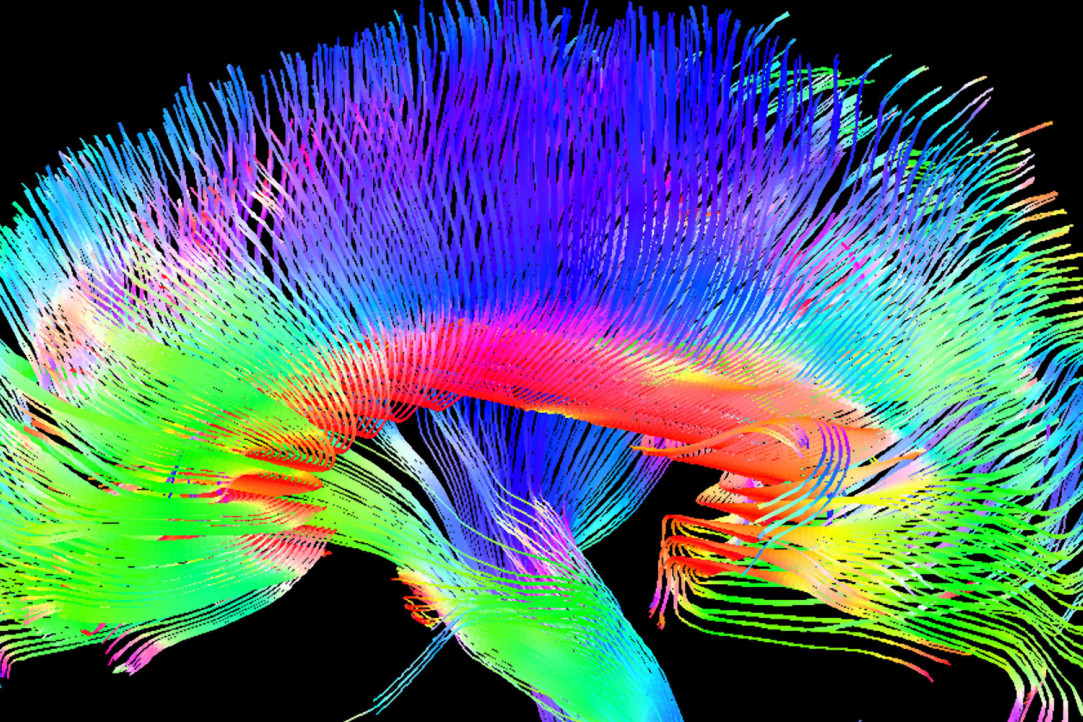
Researchers at the HSE Institute for Cognitive Neuroscience have shown experimentally that economic activity can actively change the brain. Signals that predict regular financial losses evoke plastic changes in the cortex. Therefore, these signals are processed by the brain more meticulously, which helps to identify such situations more accurately. The article was published in Scientific Reports.
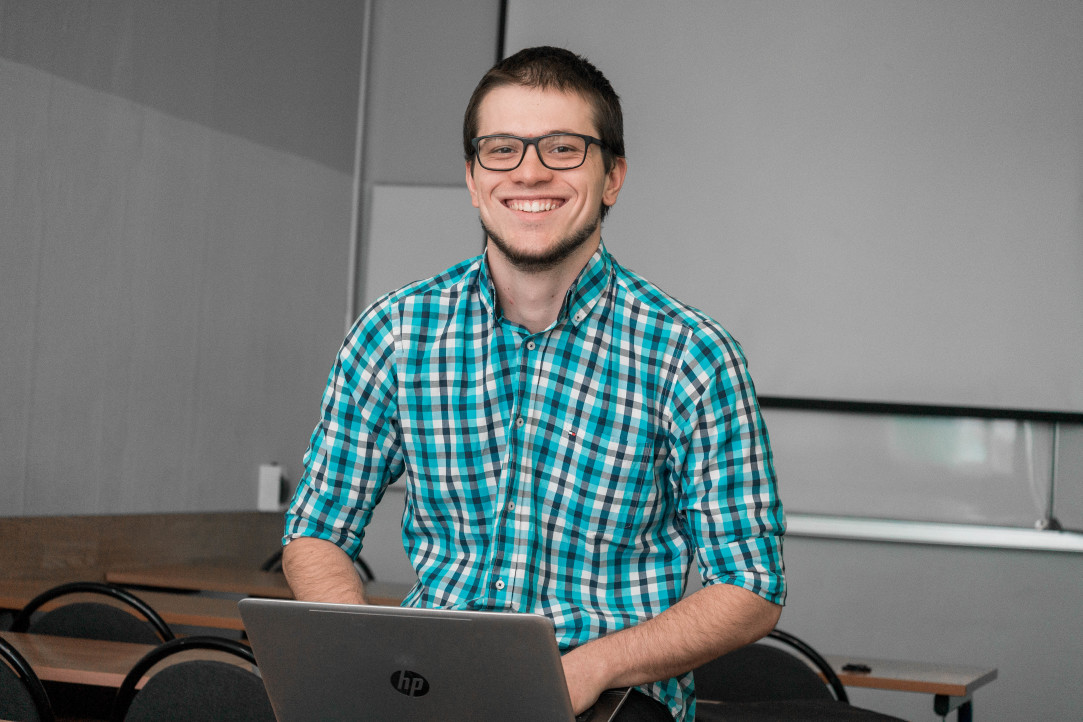
Vladislav Khvostov, a second-year student of the Doctoral School of Psychology at HSE University, was recognized with a Graduate Conference Award for Student Members from the Psychonomic Society. Every year a total of 20 graduate students in cognitive psychology receive this prestigious international award in psychology. HSE News Service spoke with Vladislav about the award, his interest in cognitive psychology and research.
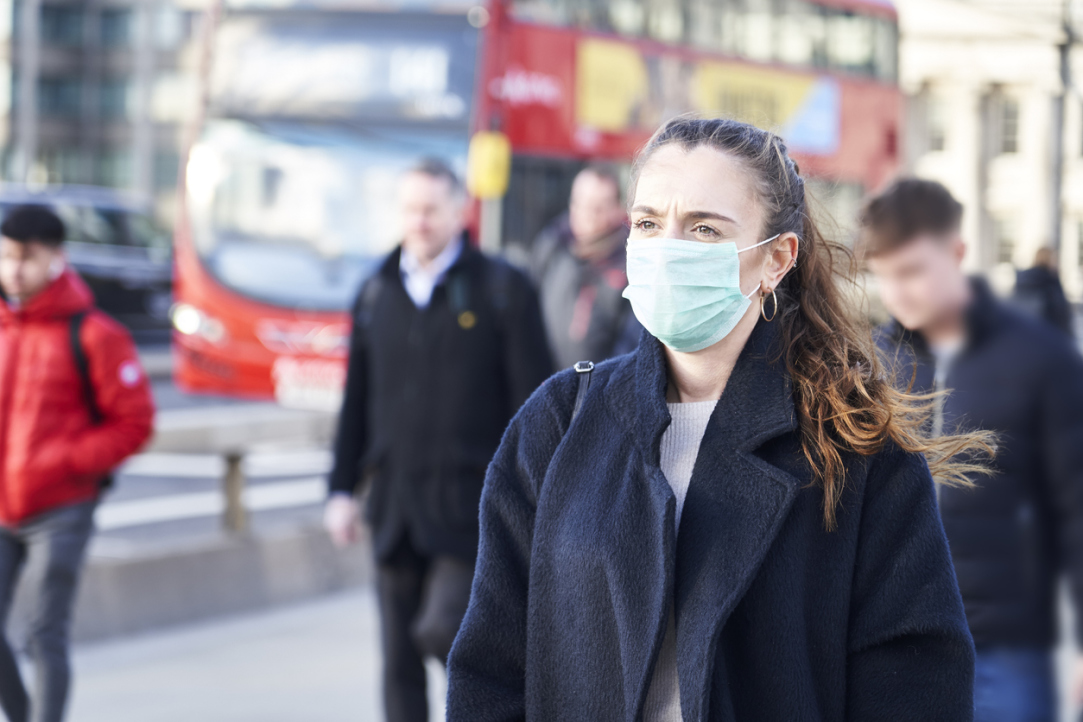
On November 6, Dr. Klaus Boehnke, Deputy Director of the HSE Centre for Sociocultural Research, presented his report entitled ‘Does COVID-19 propel value change: A comparison of Germany and the United Kingdom?’ at the ‘Culture Matters’ research seminar. HSE News Service has talked to Dr. Boehnke about various aspects of the value changes and socio-economic consequences of the pandemic in Europe and Russia.
Due to a longstanding lack of evidence-based information about freelancers, Andrey Shevchuk and Denis Strebkov, senior research fellows at the HSE Laboratory for Studies in Economic Sociology, have endeavoured to dispel misconceptions about this growing class of workers. Though remote work has become particularly relevant during the pandemic, the researchers identify several trends that have determined the direction of the remote job market even before the coronavirus outbreak.
HSE University, together with the Russian Presidential Academy of National Economy and Public Administration, MGIMO, and the RAS Institute of Ethnology and Anthropology, received a grant for their proposed world-class research centre as part of Russia’s National Project for Science. It is the first time the national project has awarded a research centre proposal in the humanities and social sciences.
On April 30, Tomas Jurcik, Assistant Professor at the HSE School of Psychology, held the discussion ‘Healing from a Pandemic: Individual Perspectives’, as part of Mental Health Spring, organized by the HSE Psychological Counselling Centre.
On February 13, the regular meeting of the Contemporary Issues in Political Science Research Seminar was held at the Faculty of Social Sciences. Associate professors of the School of Politics and Governance Ekim Arbatli and Dina Rosenberg presented the results of their research ‘United we stand, divided we rule: How socio-political polarization erodes democracy’.
For ten years now, HSE has been holding an annual grant competition for researchers who wish to start new international laboratories at HSE in collaboration with leading foreign scholars and scientists. The most recent competition reached its conclusion this past November, and now some of the selected proposed labs have already begun operation. Who are the competition winners and what kind of research will they be doing?
A ‘Mega-Grant’ Competition for ground-breaking research projects funded by the Russian Ministry of Science and Higher Education was held for the seventh time, and this year’s competition winners included two projects that will be based at HSE University campuses. One research group will study dynamic systems at HSE – Nizhny Novgorod, and a new social neurobiology laboratory will begin work at HSE University in Moscow.
The Russian Foundation for Basic Research announced the results of the first project competition for doctoral students studying in Russian universities and research organizations. Among the winners are forty doctoral students from HSE University, whose projects will receive support over the next two years.