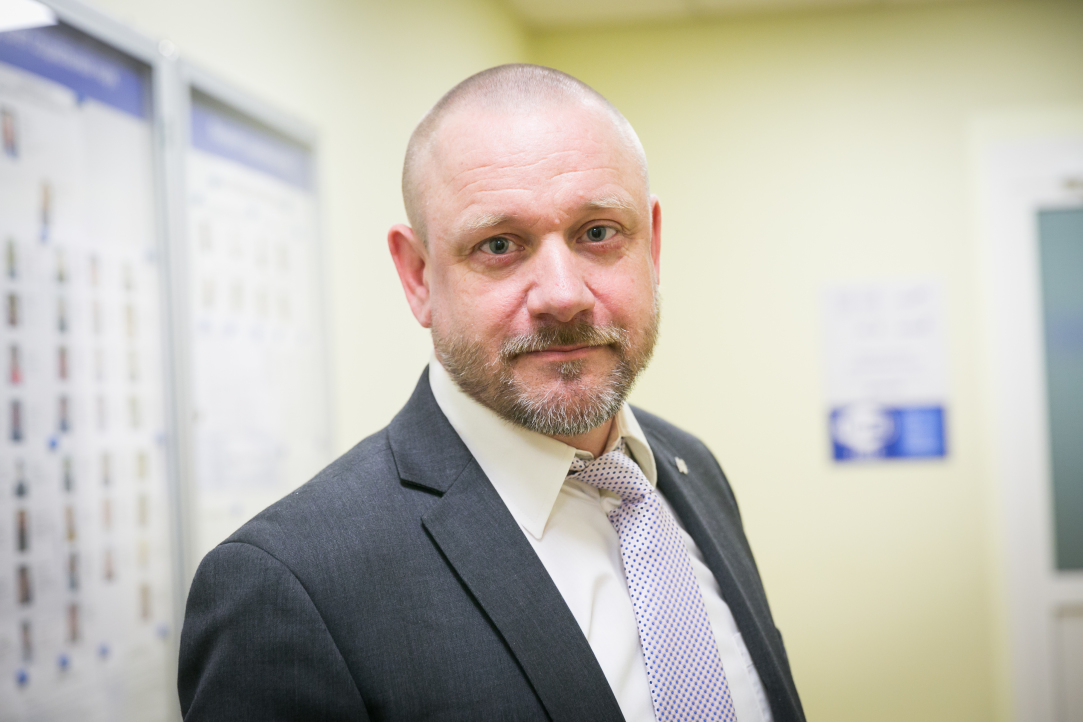
On April 9, Lucan Way (University of Toronto, Canada) made a report 'Pluralism by Default: the sources of democracy in hard places' at the HSE’s XX April International Conference within the section 'Political processes' (moderator: Andrei Melville).
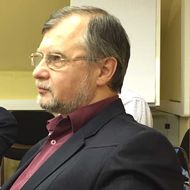
While much of the focus on politics and global affairs over the past several decades has been on democratization, the most striking thing about this period has been the survival and spread of authoritarian regimes, argues Graeme Gill, Emeritus Professor in the Department of Government and International Relations at the University of Sydney. Professor Gill is one of the presenters at the upcoming XX April International Academic Conference on Economic and Social Development, scheduled this year for April 9-12 at the Higher School of Economics.
On April 5 and 6, Professor Staffan Lindberg from the Department of Political Science, University of Gothenburg (Sweden) was invited to speak at HSE as part of a workshop on the Varieties of Democracy. The workshop was hosted by HSE’s School of Political Science and the Modernization Mobilization in Eurasia (MME) Project. The MME team carries out data-oriented studies of political participation and institutional transformation in China, Russia, Germany, Iran, Turkey and Japan.
Springer, one of the world's leading publishers of scientific literature, has launched a new book series, entitled ‘Societies and political orders in transition’. The series has been initiated by the HSE Faculty of Social Sciences, and three HSE representatives are members of the series International Advisory Board, with the other four members coming from universities in Germany, UK and the USA.
On Tuesday, May 23, William Reisinger, Professor of Political Science at the University of Iowa, will deliver a seminar at the HSE School of Political Science entitled ‘The Impact of Petty Corruption on Political Support in Post-Soviet Societies’. Ahead of his seminar, Professor Reisinger spoke with the HSE News Service about the topic of his research, how his impressions of Russia and the post-Soviet world have changed since he began visiting the region, and the changing interest in Russia that he has observed among Western students over the past several decades.
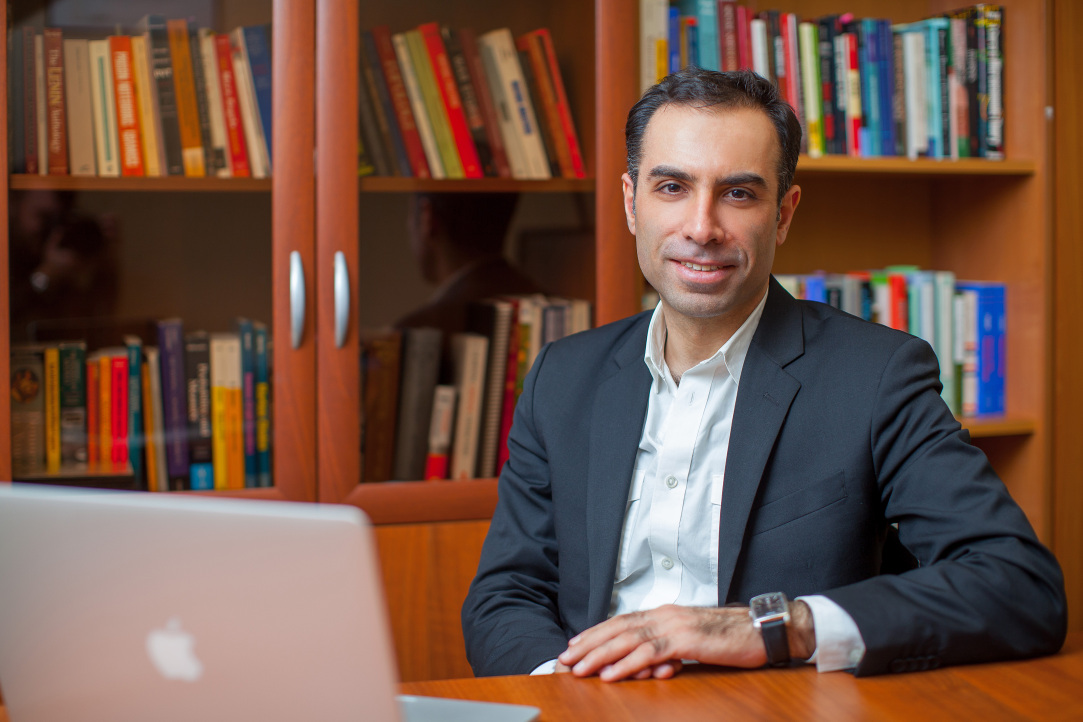
Navid Hassanpour, Associate Professor in the Faculty of Social Sciences (School of Political Science) at the Higher School of Economics, is the author of ‘Leading from the Periphery and Network Collective Action’ published by Cambridge University Press in December 2016. He recently spoke with the HSE News Service about his current course at HSE, expansion of the Master’s programme in Applied Political Science, and his plans for upcoming research.
On January 25, the Faculty of Social Sciences held the first meeting of its interdisciplinary seminar 'Challenges of Social Development'. Boris Kapustin, Professor of the HSE School of Political Science gave a presentation on Interdisciplinarity as a Research and Teaching Strategy.
The book ‘Leading from the Periphery and Network Collective Action’ by Associate Professor of the School of Political Science of HSE Navid Hassanpour was issued by Cambridge University Press.
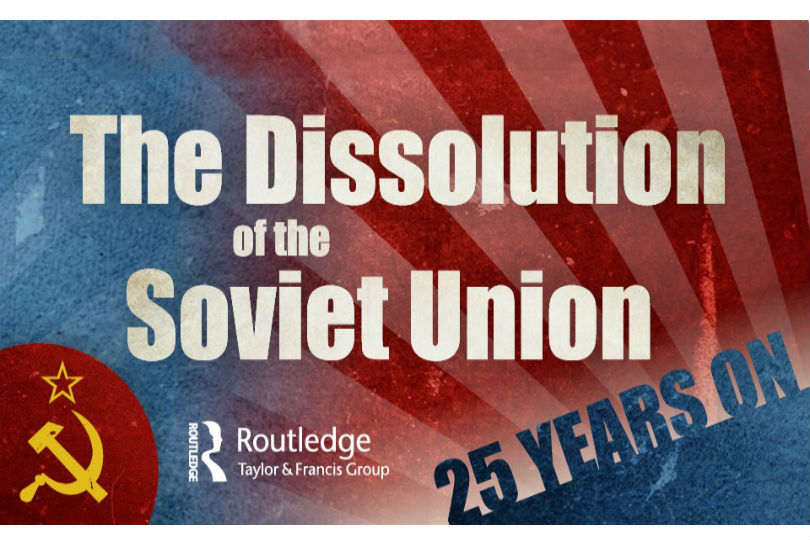
On December 26, 1991, the Soviet Union was dissolved and the Russian flag was raised over Kremlin. Taylor & Francis Group gathered a large collection of studies on Soviet and post-Soviet periods containing 150 research articles to celebrate the 25th anniversary of this event. Articles by staff from the School of Political Science were also included in the collection ‘The Dissolution of the Soviet Union: 25 Years On’. All the publications will be available free of charge until the end of June 2017.
At the beginning of September, the American Political Science Associate (APSA) awards ceremony took place in Philadelphia, Pennsylvania. At the ceremony, two awards were given to the work Misperceiving Inequality* by Vladimir Gimpelson and Daniel Treisman for the best research project presented at the 2015 APSA congress. The comparative public policy section gave one award, while the comparative political research section gave out the other.

.jpg "Expert on Authoritarian Regimes to Speak at April Conference")